
Key benefits of factoring in trade
In the trade sector, speed of turnover is critical to success. Customers often request long payment terms, while suppliers expect prompt or even advance payment. Factoring provides a key advantage: you can pay suppliers immediately while continuing to offer buyers attractive payment terms.
- Secure constant liquidity for new purchases without waiting 30, 60, or 90 days for customer payments.
- Strengthen supplier relationships by paying invoices immediately, gaining access to potential discounts and better trading conditions.
- Maintain a competitive edge by offering customers longer payment terms without jeopardizing your own cash flow.
Factoring in trade is more than financing, it is a strategic tool that enables you to increase turnover, negotiate better terms, and accelerate growth in the marketplace.

Key benefits of factoring in manufaturing
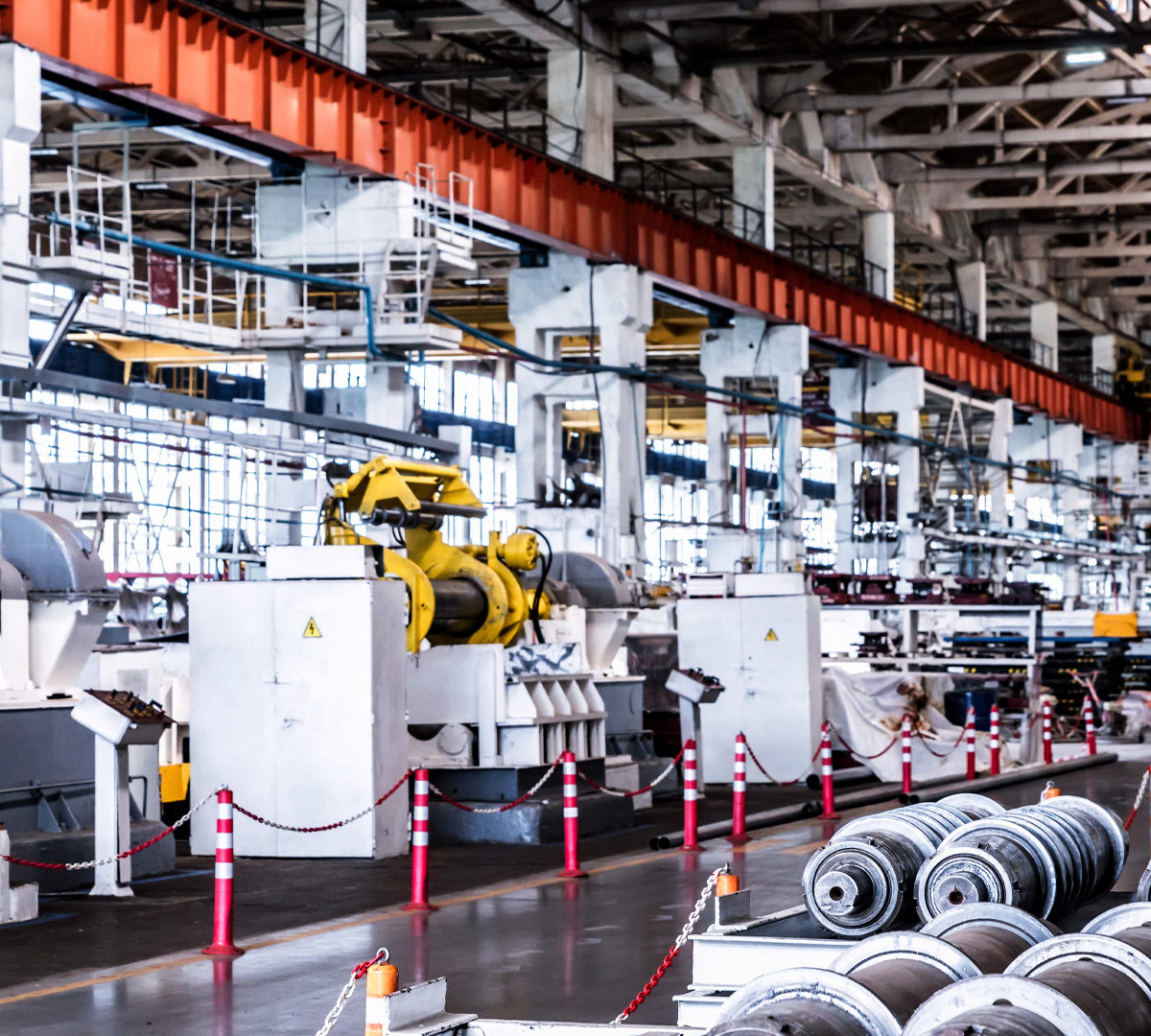
Manufacturing requires continuous operations and stable investment - from purchasing raw materials and energy to covering labor costs, machine maintenance, and investments in new technologies. The greatest challenge for manufacturers is often extended payment terms from customers, which can disrupt the production cycle and threaten on-time delivery.
Factoring resolves these challenges by allowing you to receive funds from invoices immediately rather than at maturity, bringing several key advantages:
- Immediate liquidity for raw materials, energy, and wage payments.
- Uninterrupted production, eliminating downtime caused by late customer payments and ensuring timely deliveries.
- Faster capacity expansion, as future receivables can be used to finance new production runs or contract work in advance.
- Faster capacity expansion, as future receivables can be used to finance new production runs or contract work in advance.
For manufacturing companies, factoring is not merely a way to accelerate payments, it is a growth enabler, supporting investment in new capacities, technologies, and workforce development regardless of when customers settle their obligations.
Key benefits of factoring in transport and logistics
Transport and logistics companies operate in a sector with high and constant costs, while payments for services are often delayed by several months. Expenses such as fuel, tolls, vehicle maintenance, driver wages, and insurance must be paid immediately, putting pressure on cash flow. Factoring provides the ideal solution, ensuring a stable cash flow and business security.
- Immediate liquidity - invoices for completed transports do not need to wait 30, 60, or 90 days; funds are available as soon as goods are dispatched.
- Coverage of ongoing expenses - fuel, vehicle servicing, tolls, and driver allowances are paid without delay.
- Business growth - stable cash flow enables you to take on more transports and new clients without worrying about funding costs.
- Flexibility - factoring adapts to seasonal fluctuations in transport demand, such as higher volumes in summer or before holidays.
- Enhanced competitiveness - offer customers longer payment terms and better conditions without jeopardizing operations.
In short: Factoring in transport and logistics keeps your vehicles on the road and your business growing without financial constraints.


Key benefits of factoring in construction
Construction companies operate in one of the most capital-intensive industries, with long-term projects requiring substantial upfront investment, while payments from clients or investors are often delayed for months. This creates significant liquidity pressure and can slow project progress. Factoring ensures stable cash flow, financial security, and continuity of work.
- Stable liquidity - funds from issued invoices are available immediately, allowing you to finance materials, equipment, and workforce without waiting for payments.
- Project continuity - factoring guarantees regular funding, so construction sites continue operating despite delayed client or investor payments.
- Supplier factoring - enables immediate payment to suppliers and subcontractors, while benefiting from extended payment terms and potential discounts.
- Purchase of future receivables - allows financing based on already contracted infrastructure or construction projects, providing funds before work is completed and invoiced.
- Flexible financing - adapts to the scale and dynamics of any project, from small construction jobs to large infrastructure contracts.
In short: Factoring in construction ensures projects proceed without delays, workers and suppliers are paid on time, and you can focus on quality and deadlines instead of worrying about collections.